Preparing Your Skin for a Winter Peel: Barrier Preparation Guide

- Winter is the ideal season for clinical peels due to lower ambient UV index levels in Brisbane.
- Pre-conditioning your skin with gentle hydrating lipids 14 days prior prevents post-inflammatory hyperpigmentation (PIH).
- Discontinue strong active retinoids and exfoliants 5 days before your clinical peel session.
Why Winter is Peel Season in Australia
Australian winters offer cooler temperatures and significantly lower daily UV indices, making winter the safest time of year to undergo transformative clinical chemical peels. Without intense summer sun exposure, the risk of post-inflammatory hyperpigmentation (PIH) is drastically reduced.
The Importance of Skin Barrier Pre-Conditioning
A successful peel is not just about shedding dead skin cells—it relies heavily on your skin's ability to repair itself cleanly post-treatment. If your stratum corneum (outer skin barrier) is dehydrated or compromised, chemical acids can penetrate unevenly, causing irritation.
- Hydrate with Ceramide Serums: Incorporate niacinamide, hyaluronic acid, and lipid barrier creams for 2 weeks prior.
- Pause Harsh Actives: Stop prescription tretinoin, AHA/BHA exfoliants, and physical scrubs 5 days before your appointment.
- Daily Broad-Spectrum Sunscreen: Continue applying zinc-based SPF 50+ daily, even on overcast winter days.
What to Expect After Your Clinical Peel
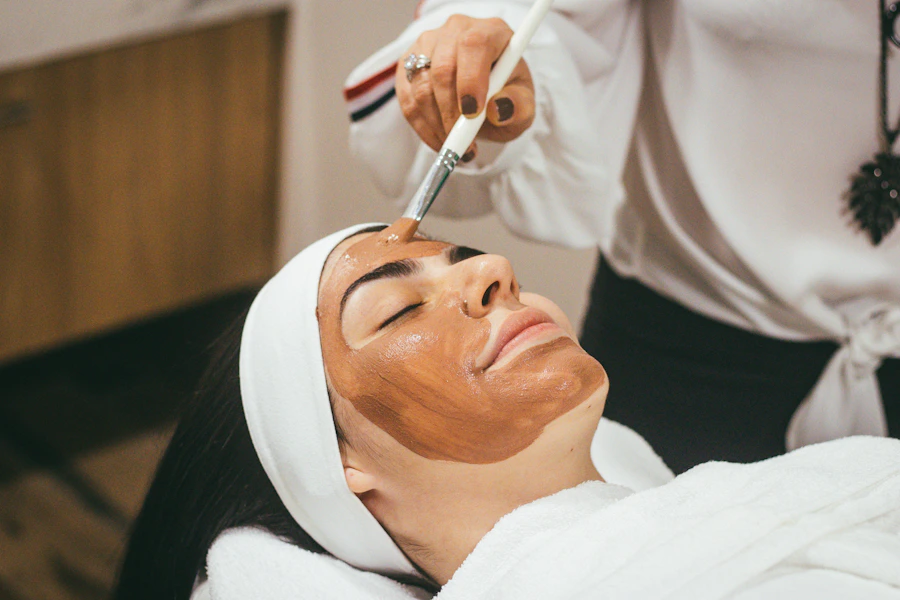
Depending on whether a superficial AHA peel or medium-depth TCA peel is chosen, mild flaking usually begins on day 3 and resolves by day 7, revealing fresh, luminous, refined skin underneath.
Divya Thomas, RN
AHPRA Registered Nurse & Regenerative Specialist
Providing AHPRA-certified regenerative skin and hair treatments in Upper Mount Gravatt, Brisbane.